
Health Sensing and Microsystems
Supporting technologies for wearable and implantable bioelectronics
Menu

People

We are an interdisciplinary team working across circuits, materials, firmware and data science.

Principal Investigator

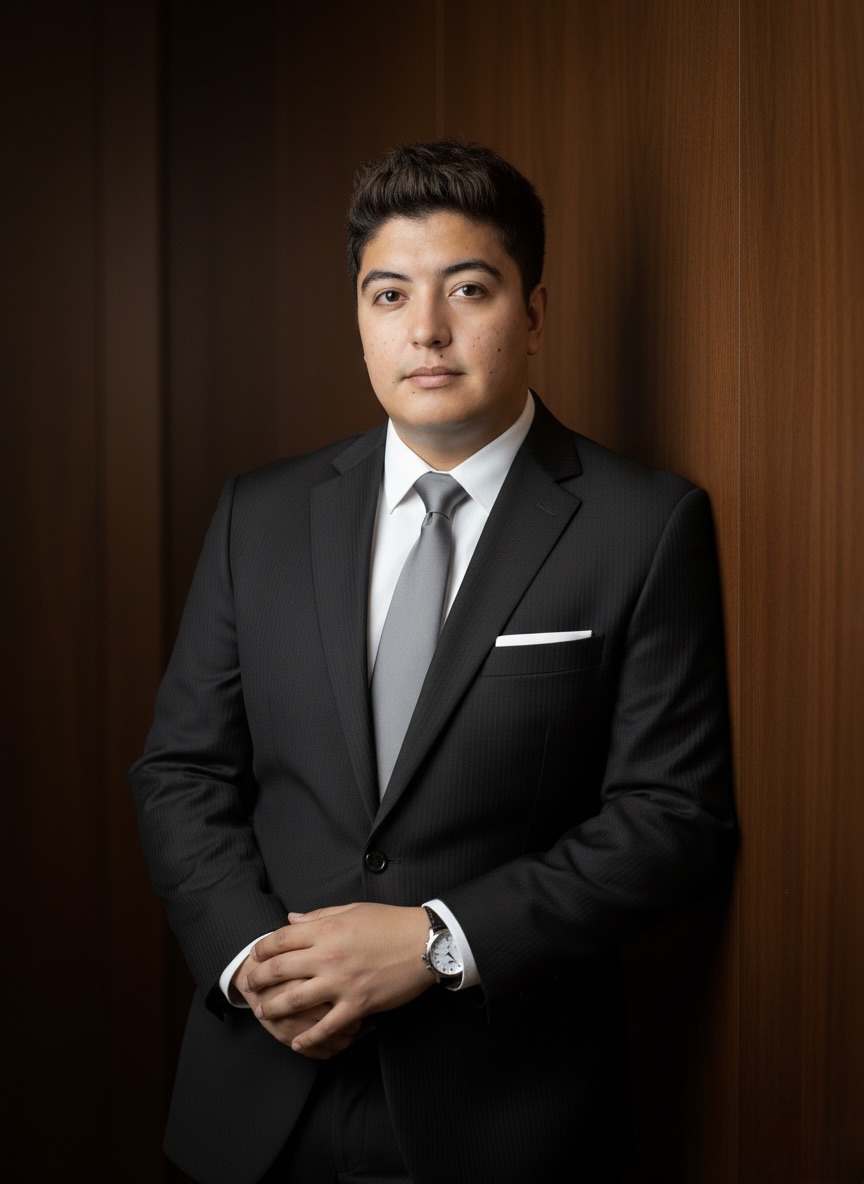
Photo of Marco Vinicio Alban-Paccha, PhD, MEng, FHEA

Marco Vinicio Alban-Paccha, PhD, MEng, FHEA

BDIC Lecturer / Assistant Professor in Electronic Engineering, Principal Investigator

Systems co-design for wearable and implantable medical devices

Marco is an Assistant Professor for the School of Electrical and Electronic Engineering at University College Dublin. His work builds the supporting technologies that let wearable and implantable bioelectronic devices operate reliably outside the lab, spanning analogue front ends, embedded and mixed-signal systems, low-power wireless backends, firmware stacks and data governance. He approaches sensing, computation, communications and power as a single co-designed system with a focus on autonomy, data integrity, latency and clinical translation.

Previously, Marco was a Postdoctoral Research Associate at the University of Cambridge on the ADVANTAGE consortium for visceral pain (2022–2025), an Associate Lecturer at the Open University, and a Postdoctoral By-Fellow at Churchill College. Born in Quito, Ecuador, he earned a Mechatronics Engineering degree at the University of the Armed Forces (2013), an MEng in Micro/Nano Systems at Korea University (2018, GKS scholar), and a PhD in Electrical Engineering at KAIST (2022).

Team

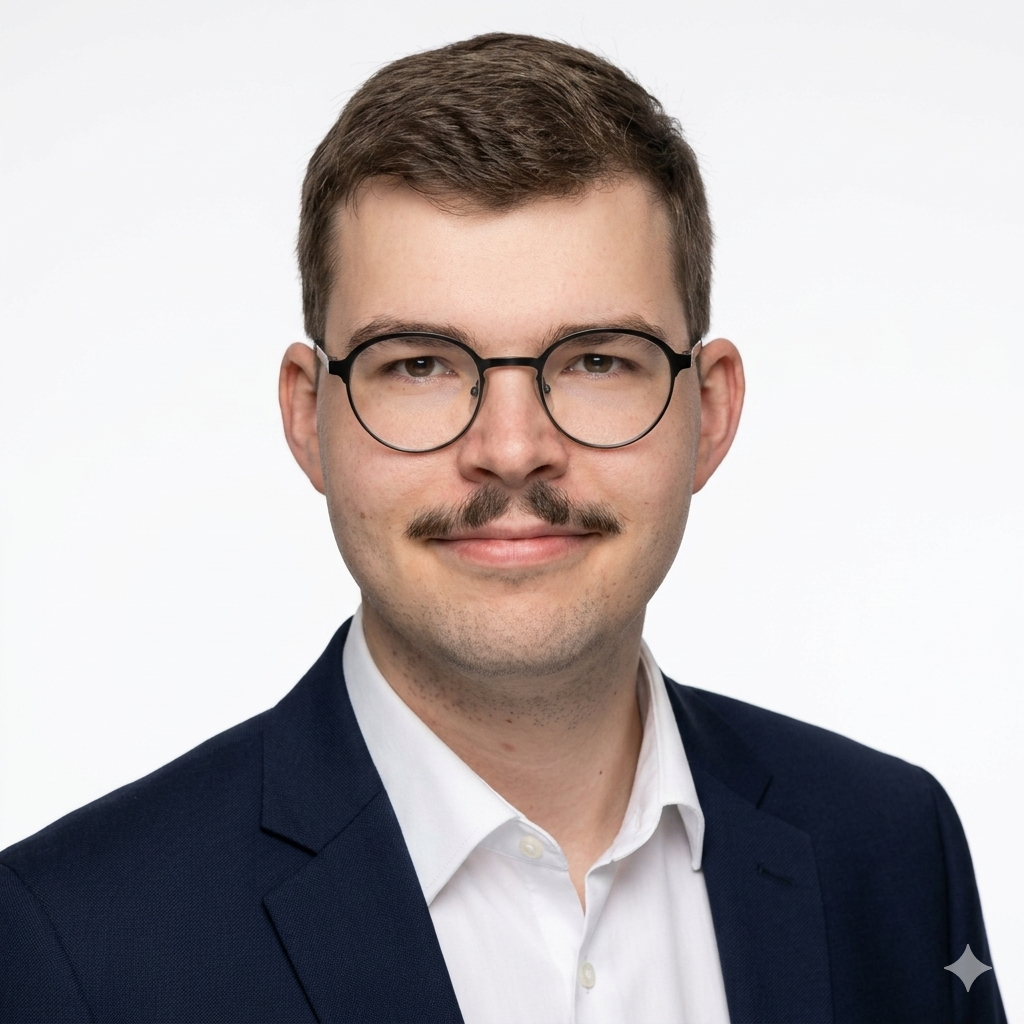
Photo of Researcher One

Researcher One

Postdoctoral Researcher

Organic sensors and flexible microelectronics

This is a placeholder bio for Researcher One. We are currently looking for talented individuals to join our team. Stay tuned for updates!

Photo of Researcher Two

Researcher Two

PhD Candidate

Clinical trials and data integration

This is a placeholder bio for Researcher Two. We are currently looking for talented PhD Candidates, check below for open positions!

Photo of Researcher Three

Researcher Three

MSc Student

Signal processing for wearable systems

This is a placeholder bio for Researcher Three. We are currently looking for talented individuals to join our team. Stay tuned for updates!

For prospective students

The group welcomes students with backgrounds in electrical and electronic engineering, biomedical engineering, computer engineering, or related fields. Students will work on tightly coupled hardware and software problems, gaining experience across analogue electronics, embedded systems, wireless communications, firmware development, and data-centric system design.

Projects are hands-on and system-oriented, often involving custom electronics, low-power firmware stacks, wireless backends, and the analysis of real-world physiological and clinical datasets. Students are encouraged to engage with clinical collaborators and to consider how engineering choices affect usability, safety, privacy, and translational potential.

The training environment emphasises strong engineering fundamentals, independence, and cross-disciplinary thinking. Graduates of the group are prepared for careers in academia, medtech, neurotechnology, and advanced healthcare engineering.

Funding routes: Chinese nationals should check the CSC-UCD scheme for eligibility (CSC funding details). Other applicants can review UCD scholarship options (UCD scholarships). We are always open to applications from Irish nationals.

We will soon be recruiting research assistants and postdoctoral researchers; roles will be announced via the News section and shared on LinkedIn/X.

Teaching

Marco is part of the Beijing Dublin International College (BDIC) programme at UCD, where he teaches Communication Theory and Embedded Systems and supervises final projects that connect theory with deployable hardware and firmware.